Category Archives: Perfume Reviews

EMBALM ME NOW: I’M READY…. COMME DES GARCONS EAU DE PARFUM (2011) + LUXE: PATCHOULI (2007) + INCENSE SERIES 3: KYOTO (2002)

“A flower that couldn’t exist, in a bottle that shouldn’t exist….”

Image

It was a cold, clear day on Monday when I headed out to Tokyo to buy Kyoto. Junko and I have a tradition now of exchanging presents each year – I buy her a perfume, she gets me films – and though last year’s offering, the exotic and pungent Powder Flowers by Montale, had gone down quite well, I decided to try something different this time and go for incense,  something more contemplative and grounded. I love the challenge of trying to instinctively nose out what someone might like, to edge closer and closer towards their holy grail, and this time my inklings turned out to be right.

She loved it. We met last night at a bar in Fujisawa, where I presented birthday present 2012, and the look on her face as she kept on smelling it incessantly from her wrist was precious: she had obviously never smelled anything like this (at least not bottled). The cypress, cedar, teak wood, incense and patchouli scent was a very new departure for her fragrance-wise, and one that obviously hit the mark (‘think of it as the hinoki-avenued walk up to Toshogu temple in Nikko’ I said), and she seemed simultaneously emotionally enraptured and turned-on by the smouldering, auto-erotically charged smells of timber and spice emanating from her skin. It certainly suits her, especially sprayed onto the cuffs of her biker jacket.

The perverse thing is that I don’t really like ‘Kyoto’ myself. I love the city the perfume is named after, but personally don’t relate to its dry, simplistic olfactory rendering in Bertrand Duchaufour’s re-creation. To me it is just a typical, unmysterious blend of flat, modish, contemporary WOODs (direct, obvious) with no beauty or space between the rings of  bark. It is well made, yes, and effective as a basic beginner incense scent – but at most 10% successful in capturing the deeply austere spirituality of the real place, which is steeped in the indescribable.

No. Instead, take one incense stick from its paper box, purchased from the centuries old Kyukodo or Shoyeido incense emporia in the heart of the city, and light it in the entrance of your home. Soft smoke, exquisitely tendered and balanced – aloeswood, sandalwood, cloves, camphor, rose –  will rise, gradually, into the air, slowly changing your consciousness. This is Kyoto.


Image

Image


I had taken the Shonan-Shinjuku line from Kamakura, getting off at Shibuya station around rush hour  (not recommended for the claustrophobic or agoraphobic), changed to the Yamanote and walked up from Harajuku station, down the twinkling illuminated boulevard of Omotesando, and then up to Aoyama, where the  Comme Des Garcons boutique nestles between a little temple and gleaming, futuristic architecture. While the requisitely hypertrended assistants fastidiously wrapped up my Kyoto I sampled and resampled the main CDG line, which is housed in one of many nooks of a giant white tardis.

Image

Image

Image

Image

Image

It was here that I came across a perfume I had somehow overlooked: the fascinating ‘Eau de Parfum’, a self-oxidising flower exhaling its last breaths somewhere in the stratosphere circa 2064. Given that the first CDG perfume, the one that launched Rei Kawakubo’s avant-garde perfumery into our consciousness (one of the spiciest clove scents ever made) is also called Eau de Parfum, it seemed strange that they would want us to confuse the two scents (which are completely different), by giving them the same title.  Nevertheless, there it lay, ruined in its tortured, self-imploded bottle that can’t even stand up, on one of the lower shelves, almost out of sight. Having no idea what to expect, I sprayed a couple of cards with copious amounts and to my surprise found that I liked it, though in theory I shouldn’t.

Comme Des Garcons is well know for its twisting and subverting of what is considered beautiful (or acceptable) in fragrance with wilfully abstruse concepts such as those found in the Synthetic Series and the industrialized abstractions of Odeur 53:  (notes of ‘flaming rock; nail polish; fire energy; washing drying in the wind; sand dunes; burnt rubber, the freshness of oxygen and pure air of the high mountains’); and Odeur 71 (xerox machine; washing fresh from the dryer; lettuce juice; electricity, dust on a hot lightbulb….)

I delight in the fact that such border-pushing exists in perfumery. And I don’t particularly mind if the person sitting next to me in the office smells of a pulsating photo-copier, an eraser, or a lightly-dusted lightbulb, but on me, on my own human skin, these mutated ozones and man-made chemical novelties simply make me feel sick. I would never.

Eau de Parfum is different. Here the human, the natural, and synthetic are fused in a blinding medley of white; a futuristic flower in bondage, wrapped in glue and masking tape and  sputnicked-off into ether. And it is strangely beautiful. Where with the Odeurs I have always found that the notes elbow and jostle with each other to outdo each other in weirdness (‘look, there’s an incinerated paper clip!), in Eau de Parfum they glide together, amassing whiteness; the more conventional hawthorn/lilac aromas a solidly pretty foundation upon which to layer the swathes of safraleine (a synthetic that mimicks the scent of saffron and suede simultaneously), ‘flower oxides’ and circumscribing it all, the familiarly toxic smell of freshly opened glue and packing tape.

The ‘flower in bondage’ idea has done before in Serge Lutens’ underrated Nuit de Cellophane, but that perfume was more a fetishized pneumatic tuberose/osmanthus babe à la Helmut Newton, wrapped in cling-film and emerging from her little Berlin S+ M photography session to a glass or two of champagne (and whatever else) with the fetishistic maestro of kink. Aside an acrylic top note like the cellophane that wraps a bouquet of midnight yellow roses, Serge Lutens’ creation was surprisingly conventional.

The Comme Des Garcons is different, more ferociously futurist. But although Eau de Parfum can shock with its plasticity, as with Cellophane, the natural components in the blend, such as the vanillic resin styrax lurking down in the base, do steady these tender flowers and make them relatable, as do the gentle laundry musks that while equally synthetic, we have come to equate with clean humanity.

Like the gleaming unperturbable blanc of the Comme Des Garcons store’s permaglass surfaces, Eau de Parfum is an essay in white.   A space-age lilac; its flower narcotized by the safraleine, as though these sussurating flowers, with gentle May hawthorn for company, were sent off into outerspace – lain down on suede and nudged into polystrene –  while equipment, pristine from the production line, awaits in boxes; adhesive-sealed and bubble-wrapped. The note of baby powder that lies like a memory within the liquid is like the gargantuan foetus suspended in its galactic amniotic sac in Kubrick’s 2001, a memory of something tender several centuries before….



Image

Image


Still in a trance from these science fictional musings I unthinkingly reached for another perfume in another outrageous bottle: Luxe: Patchouli, which I knew I didn’t like (on paper) but which I thought I would give another chance (a big, unctuously drippy spray) on the back of my hand.  Oh Lord I wish I hadn’t. If any perfume could make me puke it is this. And nowhere to wash it off…..

Any regular readers of The Black Narcissus will know that I am a big patchouli wearer, but this is only nominally a member of that illustriously earthy family that I love so much. No: this is is a troll. A foul, tepidly warm bowl of celery cream soup, steeped and fermenting in fenugreek, curry, lovage and simmering leaves of Javan patchouli.

I HATE this. Celery is one of my favourite foods, but this celeriac, salted celery-seed note in such a thick, creamy alliance (opoponax, vanilla, oak) gives me a powerful, nauseated, punch in the bowels.

I do try and remain objective as far as possible when reviewing perfumes, and the dry down (six hours later, when I woke up in the middle of the night, sweating)  has that warm, aromatic edginess that would go well on a studied, Comme Des Garcons freak. I mean this unfacetiously. The brand truly ‘pushes the envelope’ in fashion, and this perfume could match certain of the bizarre, origamied ensembles perfectly. It is original, I will give it that. But I honestly think that if for some reason I were forced to wear this monstrosity on a daily basis, I would contemplate suicide.

Image

Better, if need be, to wear Eau de Parfum, much as it would eventually pain me to constantly be in its clinical embrace. To be wrapped in acrylics; suffocated in industrial chemicals and leather, and sent out, supine, embalmed in lilac, into the forever…

Image

Image

Image

Image

Image

Image

Image


Image

23 Comments

Filed under Patchouli, Perfume Reviews

THE SPIRIT OF PARIS: FOUR PERFUMES BY CARON / French Can Can (1936): Montaigne (1986): Farnésiana (1947): Tabac Blond (1919)


Image


Image


What could be more French than Caron?


The creator of a string of inimitable perfumes from the 1910s onwards (Poivre, Narcisse Noir, Fleurs de Rocaille, Nuit de Noël….) may not exactly be a household name – at least not in England, and the friends that I know – yet in scent circles, and among the mad perfumistas searching for old extraits of these bygone classics at jumble sales, flea markets and stubborn old perfumeries – the house is truly up there in the stratospheric heights (equalled or surpassed only by Chanel or Guerlain). The perfumes of Caron, around for almost a century and still available, in various stages of degraded formulae, at their gloriously old-world boutiques in Paris and in concessions in quality perfumeries worldwide (such as the perfumery floor at Fortumn and Masons which nobody seems to know about or go to) exist on a fuller sphere of consciousness to most others. To me they are drier; darker, mossier, more bodied. Secret entities, historical undercurrents bind these creations, together with a leathered smoothness not often found elsewhere. Never wholly ‘clean’, yet laden with the finest components and a certain fox-eyed virtuosic precision ( less fuzzy, powdery and splayed than the greatest works of Guerlain), the perfumes will undoubtedly be seen by the fust-loathing pinky floss dunderheads as being ‘too old’, but who cares. So are Manet and Picasso.


One of the lesser known perfumes from this formerly illustrious Parisian stable is French Can Can, a derivative of En Avion that was made especially for the American Market for a bit of imported ooh la la: a strange, naughty, and now rather anachronistic perfume that treads the line, brilliantly I think, between coquettish and coarse,  without ever descending to banality. Can Can is of very similar construction to the classic En Avion (a cool, spicy, violet leather) but overlaid with more garish, extravagant bloom: rose, jasmine and orange blossom kicking out from the layers of tulle that support the flowers. Behind faded, musty curtains lies a decadent heart of lilac, patchouli, iris, and musc ambré.


Thinking of a candidate for this perfume (who wears tiers of fluffy petticoats that I know?) I hit upon my friend Laurie, who is never afraid to dress up in extravagant numbers – I can even see her actually doing the can can, to be truthful – and with the slogan ‘dancers: powder, dusty lace’ I presented her with the scent. She came back to me later (after I had sprayed her bag with the stuff)….


‘No: graying crinoline’.


If the girl of the above story has a past, and love for sale, then the owner of this fine establishment might be wearing Montaigne. Where Can Can maintains a certain faux-demure grace throughout its development, Montaigne, on first impression, is suggestive; lewd even: a voluptuous figure forever telling dirty jokes. Many of the early Caron scents have a similar base accord: that murky, dark, dry signature with which Ernst Daltroff marked his classics. But Caron had to enter the modern world to survive, and Montaigne embarked on new climes. The result of this caterpulting into the eighties was a glowing, ambered potage of sandalwood, orange blossom, vanilla; very contrasting top notes –  a layer of glinting fruits and herbs: mandarin, bitter orange, coriander, blackcurrant….all is voluptuous, sueded, medicinal, mysterious. You keep sniffing to find out more (what was the perfumer thinking of?)


Montaigne, then, one of Caron’s most ‘up front and sassy’ perfumes, is well worth exploring for its complexity,warmth and glamour, but also for a certain impenetrability. There isn’t really anything else like it on the market. Hermetically mesmerizing, even, and a perfume I have become strangely obsessed with.


Though obviously a Caron, the vanilla-mimosa themed Farnésiana couldn’t be more different. This obscure scent is a sweet, emotive, maternal refuge from all harshness and vulgarity (because she does sometimes needs a day off); a sugared, unusual perfume to nuzzle, cradle; regress with, even. The blend gets its name from the latin name for mimosa (Acasiosa Farnesiana), the flower at the heart of  this scent. But place just a drop of this elixir on your skin and the heart-rending, powdery mimosa note smiles only briefly before being subsumed in a very edible, gourmand note of almonds and the roundest, gentlest vanilla. Not unlike a slice of the finest cherry bakewell in fact.

This is not a ‘foodie’ though, it is far too eccentric: somehow Farnésiana is not in the least seductive – you are not supposed to be ‘nibbled on’ by another. It is rather a lovely, melancholic escape from all that; the self as confection – a perfume to wear when alone.


” ……The troubling sensuality of a woman in a dinner jacket…..’

……negligently to take those ivory and mother-of-pearl cigarette holders to their lips, and swathe their femininity in a typically masculine veil, became the height of Parisian elegance……..To mark this dawn of female liberation, in 1919 Caron dared to dedicate the deliberately provocative Tabac Blond to these beautiful androgynes.’


(Caron website)


Here we have then the official story of Caron’s legendary Tabac Blond,  Dietrich’s most favoured perfume. If ever there were a ‘holy grail’ of perfumes, it might be this: people are mad for it, obsessed. It is one of the world’s cult perfumes, deliberately aimed at a small contingent in society, ‘scandalous’ at the time of its launch (just six years after Stravinsky’s Rite Of Spring) into the fey little lamp-lit worlds of lilacs and violets, of powder and of  rose. A unique creation that has kept its reputation to this day (strictly in its vintage versions, mind), Tabac Blond is a resinous, deep, heart-locking perfume that unfolds in space and time. Flowers – carnation, linden, ylang, and iris (giving the perfume, as critic Jan Moran says, ‘a powdery floral heart meant to transcend a smoky environment’) feature in the scent, but only subtlely. They are hidden, masked for the most part, by a stunning note of undried blond tobacco, animalic leather, and tobacco leaf, made drier still with a sun-powdered note of cedarwood and vetiver. This exquisite whole is suspended in a liquid gold of tenuous, refined amber that only takes on its full character in the perfume’s conclusion, later, much later, at night.


Chandler Burr says of Tabac Blond that there is something ‘dykey and angular’ about  this perfume;  Luca Turin, that it is for those of a melancholy bent, who like Autumn, old manuscripts; libraries; Egypt.


Whatever the image it conjures, this is certainly a beautiful perfume; absurdly refined on the right skin, conferring on the wearer an air of restrained, rich elegance…………… pure Caron.


22 Comments

Filed under Flowers, Perfume Reviews

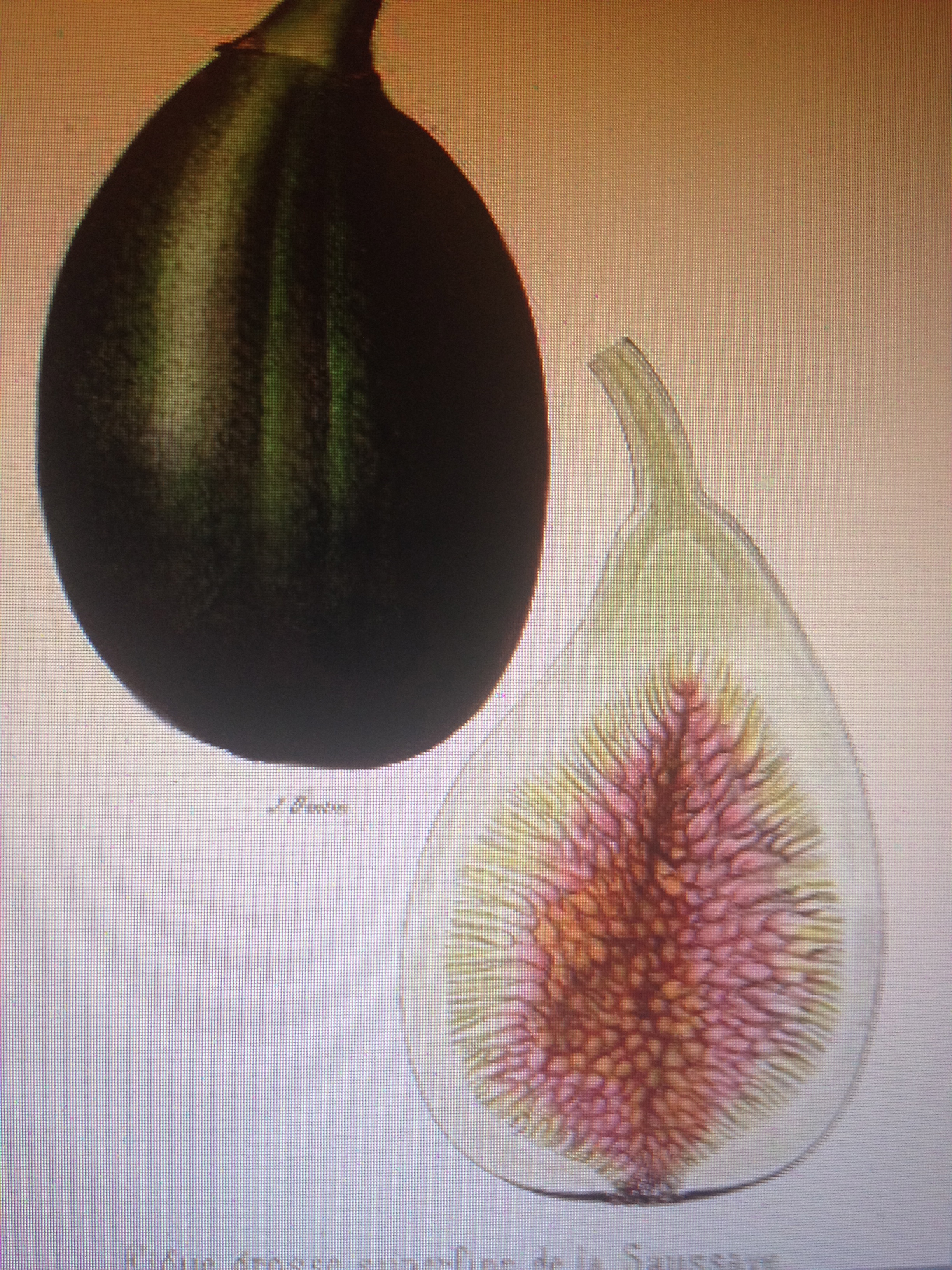
O sweet fig : FLAGRANT DELICE by TERRY DE GUNZBURG (2012) (+ miniature figathon for Nina: L’Artisan Parfumeur Premier Figuier; Diptyque Philosokos; Miller Harris Figue Amere; Angela Flanders Figue Noire; Sonoma Scent Studio Fig Tree; Carthusia Io Capri )

Image

Image

Image

Image

The pantheon of figs is dominated by two classic creations by Olivia Giacobetti –  lover of the ficus carica and of transparent, fresh fragrances in general – and the very talented perfumer who did Premier Figuier (‘the first fig tree’) for L’Artisan Parfumeur in 1991 and Philosokos ( ‘fig lover’ inGreek) for Diptyque in 1996. Both of these scents capture the cool, lactic, dark-green essence of the tree’s lobed rough leaves.

The Diptyque creation is the stricter fig of the two; more spartan and verdant, the leaves of the tree forming the centre of the composition. A tiny hint of coconut adds a hint of sweetness, although this is soon undercut by a fresh (almost harsh), woody note of white cedar that lasts for hours on the skin. Philosokos is refreshing and headclearing, a ‘calm in the storm’ kind of fragrance that allows you to re-equilibrate yourself in hot situations. I have the parfum solide, which is probably the most discreet and gentle scent I own in my collection.

Premier Figuier is a milkier, more pregnant fig. I  fell for this around 1993 as it seemed to represent a new beginning in my post-university life and was probably my first ever niche purchase. I remember excitedly stepping out onto the King’s Road from the L’Artisan boutique (which felt so secret back then, tucked somewhere behind a little side street, veiled in black, a real showroom of unusual treasures for those in the know) where I had been instantly seduced by the gorgeously leafy beginning of this perfume (parasol lime, galbanum, fig leaf), but even more by the entwining, in the heart, of fig and woozy coconut  (one of my very favourite notes in perfumery), a fusion that seemed to hover from my skin in a dream-like aura. It was addicting and compelling to me, and it now occupies a special position in the taxonomy of my mental fragranced library  – me at twenty two. But the perfume also has another dimension- a persistent, almost sweat-like aspect, which comes from the addition of sandalwood and a note of dried fruit. This stage of the fragrance was always a bit precarious on me ( I don’t wear sandalwood well) – and probably what caused this fig, for me eventually, to lose its lustre.

Image

Following these very original olfactive innovations by Giacobetti there was a time for a while in the nineties when fig was the note du jour, much as iris, rose, and oudh have been recently, and notes of the fruit or its leaves were injected into various small perfumeries’ new creations, as well as in mainstream releases such as Dior Dune Pour Homme (1997) and Marc Jacobs For Men (2002), both of which are quite nice, if less poetic. Most figsimiles kept that insistent green note in the foreground, though, and the genre was at one point in danger of becoming tired.

Miller Harris’ Figue Amère was a very different affair. I am an admirer of this English perfumer’s work in general : there is a real integrity and quality to it, a lack of cheap sweetness and the whole curdling sexual package – her scents unfurl and go off in skillful and self assured new directions. While most Harris compositions tend towards the tastefully floral, incense, or citric, Harris does let her hair down (the hilariously pink disco Noix de Tubéreuse comes immediately to mind, as well as the literally unwashed hair smell of the Jane Birkin collaboration L’Air de Rien), and Figue Amère belongs to this more strongly colour-blocked territory. To me, this perfume is all purple; flamboyantly dressed fairground people, big wheels, and Black Love joss sticks. The scent is so lush in its heart and base (narcissus; angelica; sweet moss, cedar and amber) that the violet/fig/bergamot top notes soon get swallowed up in all this velvet crush : it is a rich blend that is warm and charismatic. For me, Figue Amère occupies its own special tassled turf of fig territory.

To move further along from the leaves of the tree – along its branches, its stems, and up to the curving inflorescence of those pulpy, seed-lined fruit and their heady pink flesh, we come to Figue Noir (2006) by Angela Flanders, a perfumer with a lovely little boutique just by the Columbia Road flower market in London. I spent a whole afternoon with Ms Flanders a couple of years ago, interviewing her over tea and cake as she told me the story of her life and perfumes. What I liked especially about her is her passion for her craft but also her nonchalance – she has a mischievous side to her as well – which is inspiring to see in someone who has been around so long. She is not jaded in the least, and her fig – nominated for a FIFI award – is a rebellious shocker: it smells like swelling, overripe figs falling apart in your hands; a hilarious, sticky mess. No, that is not it: Figue Noir isn’t as natural as that. It is more like a tongue-searing mouthful of glinting, hardboiled sweets: if you could buy them at the confectioners they would be pear drops. Great big fig drops.

The scent is almost mind-bendingly headachey in its synthetic overdoses but also actually somehow brilliant, its psychotropic examination of this fruit from within opening brand new and exciting figgy vistas in our giddy heads.

A warmer, more expansive and suffusive fig scent is the natural- smelling, tranquillizing, yet engrossing Fig Tree by Sonoma Scent Studio; an inspiriting, woody fig with rich balsamic undertones that draws you into its allaying, shaded spaces and allows you to stop what you are doing and breathe. While the beginning stages of extraordinarily verdant, harsh green fig leaves are almost unsettling, quite soon, richer, denser notes of cedar, tonka, patchouli and vanilla begin to be sucked up, drop by drop, up through the bark of this confidently imperious fig tree, and the scent, imbued with nutritioning sunlight, comes fully into its own.  A love-filled perfume to collect your thoughts; coalesce; regroup.

Completely on the opposite end of the ficus spectrum is the fascinating Io Capri by Italian perfumery Carthusia, a transfixing scent that I only discovered recently at a shop in Tokyo, but which transported me anywhere but: I was in Rome, in the cold, marbled atrium of an otherworldly, ancient palazzo on some hot September afternoon. I could smell the fresh, cool sheets of a hotel room; of a huge, beautiful, shining white bath and inviolable, hard, triple-milled soaps waiting, timelessly, on its sides. Strange, aqueous depths. Blue caves; Roman dolphins; the underworld. Weird. In fact, though I couldn’t stop myself from sniffing this odd creation, I had no ability mentally to break down this scent into its olfactory constituents; it remained a scented conundrum, incredibly fresh and clean in a way that made me just want to lie down and sleep. Deeply. In those sheets: the Foro Romano, the place I used to walk on cold days alone in the rain, out there somewhere – dogged, discordant – in the distance. It was only when I looked up the notes in the scent did it start to jigsaw into sense: a green, herbaceous fig with wildly discordant notes of mint, eucalyptus and tea fused with fig leaves that takes you to watery grottoes of Botticelli, of clifftop villas and lagoons. Gorgeously strange, Io Capri doesn’t suit me in the least but I might buy it nonetheless as it touches me in a way I can’t quite understand.

Which brings us to the present day, and Ms Gunzburg’s latest addition to this world of figs. This new perfume is called Flagrant Délice, obviously a play on in flagrante delicto, or being caught in the act – a criminal caught with his hand in the caramellized fig jar?  – or more simply a pun on the sense of flagrant, blatant deliciousness. Fortunately the scent does pretty much live up to its name, and I am enjoying this perfume at the moment as we get into the Christmas season.

This is a sparkly, gourmand fig, with a delicious base of tonka bean, almond milk and white musk, the fig main theme complemented with bergamot, mandarin, and surprisingly, a scintillating note of red currant that dances above it all like a sweet Yuletide posy. The warm richness of the scent – which in its entirety smells a little like licorice – is vaguely reminiscent of Hermès Vétiver Tonka, while the overall feeling is of a fig, fully realized, and happy. This is not something I could wear every day –  it is quite ‘thick’ – but if you think of it as Premier Figuier and Philosokos’ older, fruitier cousin, dressed up and festive in a Santa costume under the Christmas tree, it is a very attractive and welcome new addition to the fig club.

Image

Image

Image

27 Comments

Filed under Fig, Perfume Reviews

JICKY by GUERLAIN (1889)


Image


Sometimes I just take my giant green velvet box of parfum, open the lid, just look at Jicky undisturbed, and let its exquisite emanations reach my nostrils.


The flacon lies benelovent, secure in its felt indentation; safe in the knowledge of its beauty; and what I smell, in these moments, is a work of stunning, fleeting sensations: the living bergamot and lemon essences; a flourishing lavender; a garland of herbs from an English garden: verbena, sweet marjoram, and the tiniest nuance of mint. I am entranced.


But like Narcissus, leaning in at the edge, there lies trouble in these depths……what are the rude aphrodisia lurking down below in those  murky waters…..?


I take the bottle and apply the stopper to my skin, and at first, in essence, all is an excelsis deo of perfect harmony.


I inhale : no perfume has more soul.


But the citrus has now gone….


Smiling, warmer notes now appear with the lavender in counterpoint; wisps of sandalwood, and that suave, and – let’s not beat about the bush – faecal undertone (an unembarrassed, frank anality of musk, ambergris and civet, sewn together by les petits mains in the ateliers Guerlain with a more civilized accord of incense, benzoin and coumarin)..and it is here where Jicky, suddenly, becomes more difficult.


In a modern context, this scent is almost scandalous in its animality (and very, very  French – you can almost hear them laughing at us paling, moralistic Anglo Saxons running from its carnal openness): and so to really wear Jicky, therefore, to have what it takes, you have to be able to carry off this aspect of the perfume – which is never crude, more a deliciously francophile embellishment of the human ;  but if you can, if you can, it can be magical: an ambisexual, historied and haunting skin scent that is simply beautiful –  suited to people, not gender.


Jicky is a perfume for libertines.


I can’t wear it, but on Duncan, especially when he is in velvet-jacketed dandy mode, it smells wonderful.


Knowing, adult, and cultivated, a drop here and there is the perfect scented accoutrement.

35 Comments

Filed under Fougère, Lavender, Orientals, Perfume Reviews

GINGER!!!!! Five O’Clock Au Gingembre by Serge Lutens (2008) + Un Crime Exotique by Parfumerie Generale (2007) + Ginger Ale by Demeter (1997) + Ginger Musk by Montale (2006)+ Versace Pour L’Homme (1984) + Ricci Club by Nina Ricci (1989)


The first real cold has hit and I am putting ginger in my tea for that extra wall-tightening glow in the stomach.


Grated fresh ginger, brewed with some ceylon leaves and milk: a lovely way to warm up a morning, or a wintery mood-dip in the afternoon.


Hot, delicious, an ancient root of suffusive goodness and fiery health, ginger (zingiber officinale) has long been very popular here in Asia for various ailments and health conditions – it is practically a medicine. You might even say that there has been an actual ‘shoga boom’ in Japan recently: while pickled red ginger has always been a condiment for sushi, and fresh ginger often served with grilled pork, currently, a lot of shoga sweets, beverages and various other powders and medicines have been hitting the market here: the rhizome is seen as something of a cure-all –  and it is my kind of panacea.


In terms of perfume, the essential oil of ginger is usually deemed a masculine colour in the perfumer’s palette, and thus occasionally crops up in the top notes of spicy men’s fragrances such as Gucci’s brooding, loaded (and now discontinued) Envy for men, which has a gorgeously gingery top accord. It does not feature in its own leading role as often as it might, but there are exceptions, and if you love the smell and sensation of ginger, please read on.


Image


People after a very literal-minded ginger fix should perhaps turn, as their first port of call, to Demeter, masters of gratifying one-note cravings. They will sort you out temporarily with their Gingerbread, Fresh Ginger, and even Ginger Sushi ‘feel-good fragrances’, but like Ginger Ale (see below), the impression usually only lasts a short while before you have nothing on your wrist (this is, after all, the idea with Demeter – they are only meant as ‘pick me up’ scents). There is an aspect of Scratch N’ Sniff.


For a more interpreted, fresher form of the root, Ginger Essence by Origins is a pleasantly convincing fragrance (citric, floral, very clean and American) that features ginger in a more gentle and feminine role, while other more lasting, gourmand spice scents have very pleasing prominent gingerbread notes, such as the 1926 winter classic Bois des Isles (Chanel) and its male offshoot Egoïste, although the main player in these two is undoubtedly more the balmy, floral sandalwood that lies beneath.


Image


But on with the ginger…


FIVE O CLOCK AU GINGEMBRE / SERGE LUTENS (2008)


Serge Lutens finally left the caravanserai of the orient for English tea at the Ritz with this fragrance; an imaginary afternoon of cakes, tea,  and crystallized ginger among the cafe clatter and bonhomie of those reposing and catching up away from the cold. The result is very pleasing – some orange peel here, some Earl Grey there – and a very cosy perfume that is nice to dab on in winter. As six o clock approaches though, it gets a touch less interesting, with a generic spicy warmth in the nineties manner, and focuses more on the drabness of the washers-up out in the darkening kitchens.


Image


GINGER ALE / DEMETER (1997)


The smell of ginger ale always reminds me of my grandparents coming round on a Sunday evening and the standard request for a ‘whisky and dry’ – the dry rasping bubbles of ginger ale carbons popping from the glass. This smells identical to that first pouring in of Schweppes; then fades away to a nondescript  note as though you had spilled some ginger ale on your skin while fixing that second or third whisky.


POUR HOMME/ VERSACE (1984)


A brief tale of ginger and ‘missed opportunity’ from my youth……….


In the summer of 1989, I was playing keyboards for The Fanatics, a local Solihull band who later changed their name to Ocean Colour Scene and achieved great success in the early nineties in the UK and elsewhere ( I even find their songs, tauntingly, at karaoke in Japan……)


They all became millionaires. I wasn’t allowed to stay with them (university- I had wanted a year out to just see how it went), but for a while it was fun anyway, and I got to go to all the parties and meet some famous pop stars. At one, a post-gig thing, I was in quiet conversation with Ruben, boyfriend of the bassist’s-girlfriend’s-sister, a long-haired youth who was gentle, and handsome as a drawing by his namesake, and who was emanating, discreetly, the classic Versace L’Homme from his skin.


In fact we were in the middle of talking about this scent, him passionately trying to convince me it was the greatest men’s scent ever made, when my head was suddenly punched against the wall from behind, cutting me just above the eye. I had no idea what had hit me, but in fact it was Duncan in an uncharacteristically jealous rage (perhaps I had been more entranced than I realized). Seconds later he had been thrown onto the pounding dancefloor and was being kicked by me as the blood flowed. The group’s bouncers immediately came to break up the lovers’ scrap and we were thrown out in disgrace, me crying in the taxi all the way back home.


Ruben wasn’t my type anyway, beautiful though he was, and I wouldn’t have worn his scent myself, but I have to admit that he did smell wonderful, because the original Versace, in my view, is something of a masterpiece (this may seem like a contradiction in terms given how crass the house’s perfumes are now, but in the eighties Versace did actually use do some nice fragrances: does anyone remember the sultry Milanese jasmine that was V’è? )


There really is nothing Pour L’Homme, in its original incarnation, it was smooth, complex, spicy, citric, creamy, fresh and sexy, with a beautiful and vivid top note of ginger that shone right through the formula to become its focus. Seductive, yes, but classy – just about – and irresistible.


I wish there were more masculines in this vein; forthright, yet elegant, complex enhancements of male beauty.


RICCI CLUB/ NINA RICCI (1989)


Long disappeared from Ricci counters, this very special scent can still easily be found online.


My friend Owen and I used to call this perfume Love instead because in fact to us that’s what it smelled like. We both had bottles, possibly as Christmas presents from our parents I think, but he wore it better than me, living in it for a year or two and smelling excellent: a warm, citrusy, very huggable cologne with a gorgeously fresh ray of ginger shining through the whole like a sunny day in October. It is a masculine of its era, very ‘trustworthy male in adorable woollen sweater’, but definitely worth seeking if you are searching for a well judged, temperate, but big-hearted, ginger.


GINGER MUSK / MONTALE (2006)


I love many a Montale perfume and could wear practically everything in their lineup, but a lot of the scents, while beautifully crafted, perhaps lack innovation.


Ginger Musk is different. It has that shock of the new, a smell that you didn’t know you wanted to exist until you actually smelled it: an adorably feminine and sexy combination of aerial musks, dreamy fruit and a fresh-floral ginger that scintillates beckoningly with an abundance of freshly washed, long-flowing hair.


Hard to find but worth seeking out.


UN CRIME EXOTIQUE / PARFUMERIE GENERALE (2007)


La piece de resistance. It is obvious that the creator of this perfume (Pierre Guillaume) was having a lot of fun with dabbling in his wintery concoctions when the results are as startling as this.


The ‘exotic crime’ in question is perhaps the ultimate spiced ginger: a pungent globe of medicinal spices, cinnamon sticks and baked apple sweetbreads like some heart-lulling medieval Christmas wine. It is quite wonderful – there is nothing richer, and you may laugh each time with the audacity of it all each time you apply.


A wonderful choice for the coming holiday season.


Image


Image


Image


If you know of any other great ginger scents I am missing here, please let me know!

19 Comments

Filed under Ginger, Perfume Reviews

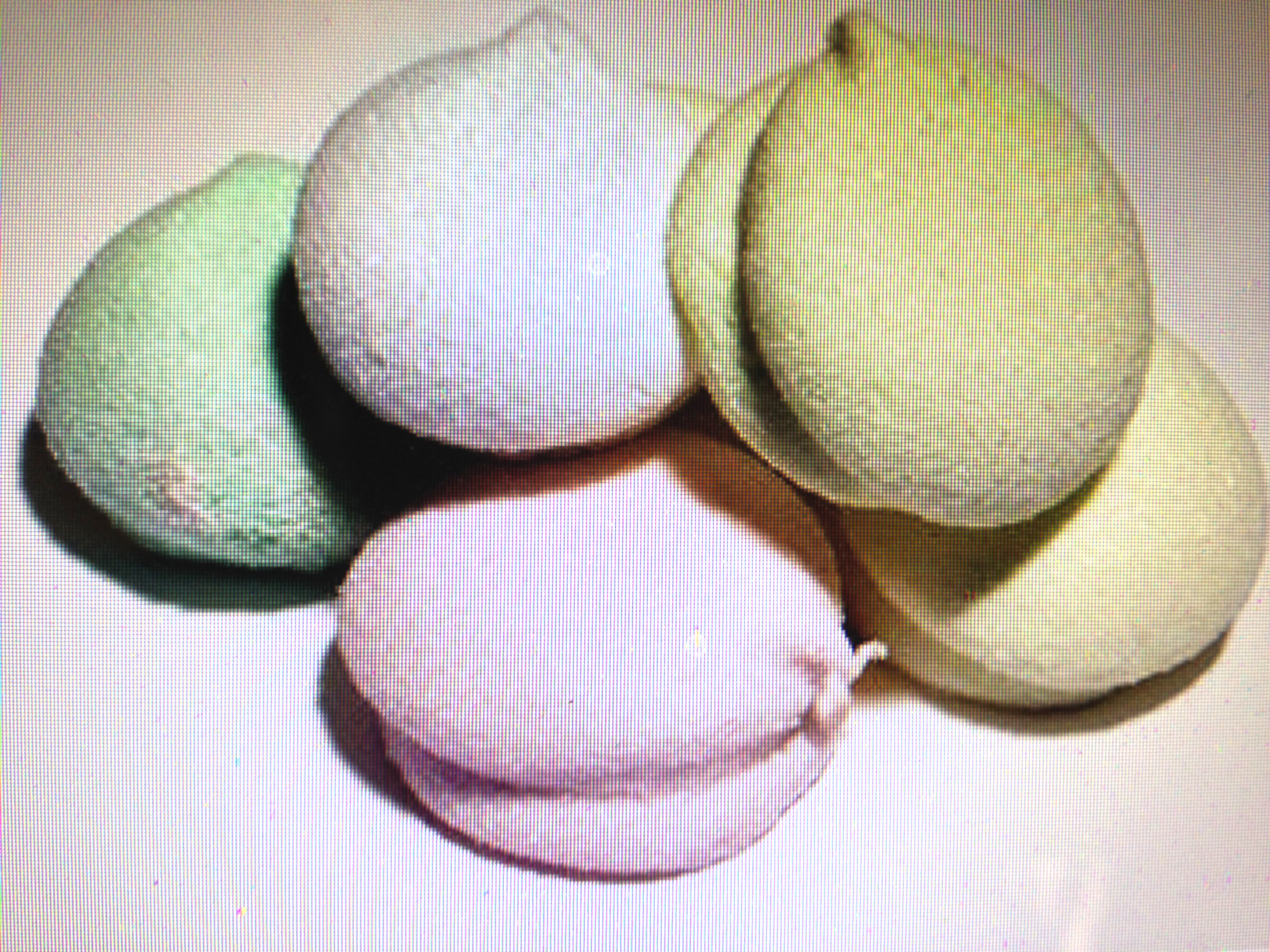
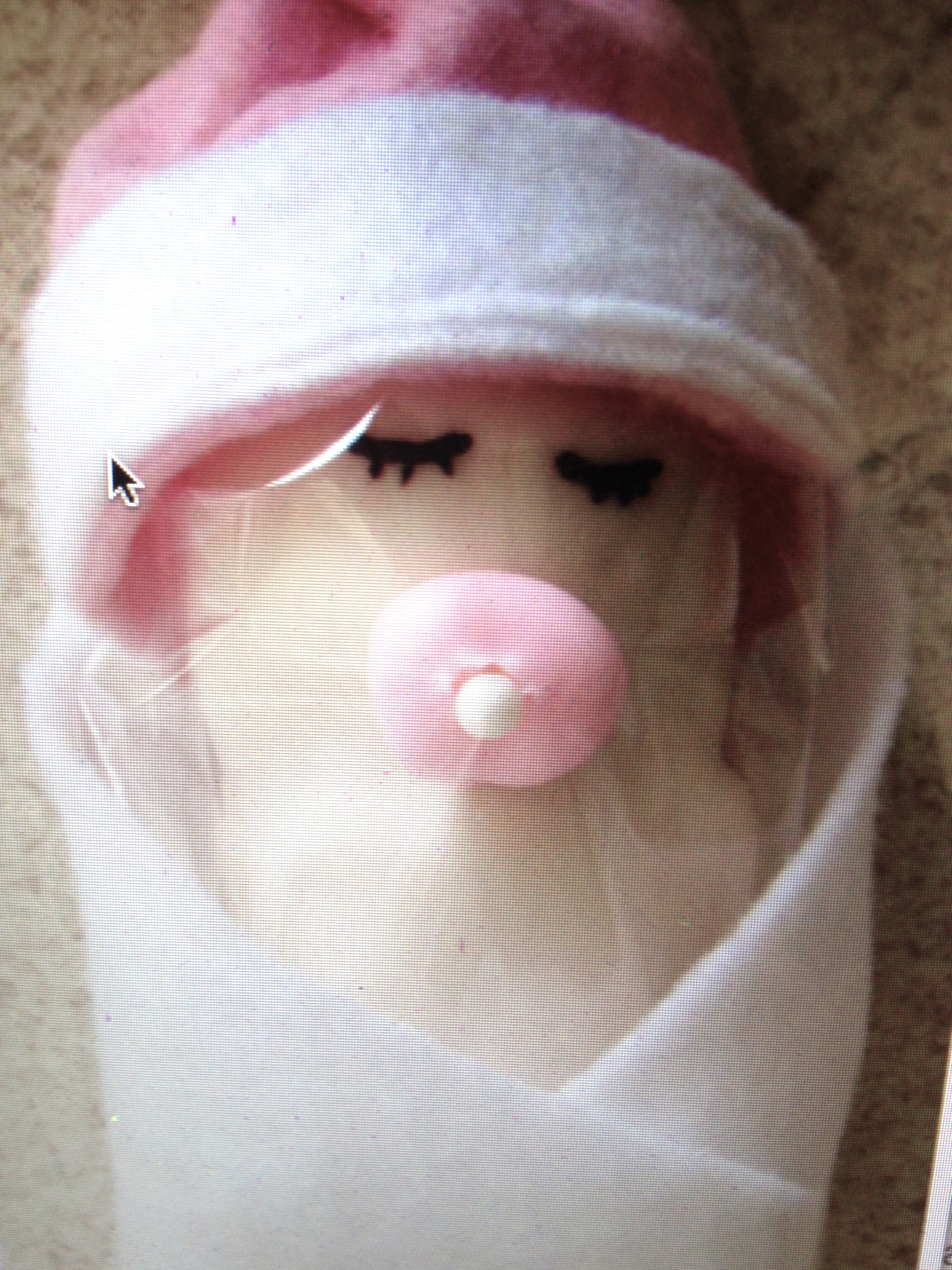
MARSHMALLOW GIT: Divin Enfant by Etat Libre d’Orange (2006)

Image


Image


The infant-baiting song ‘His majesty the baby’, by Scottish singer Momus, has a protagonist who ‘swallows breasts as big as mountains’ and commands the attention of a cooing clan of women, much to the singer’s disgust and jealousy. The ‘bald and dribbling little git’ has his audience rapt and can do no wrong.


This is also, incidentally,  the theme of Etat Libre d’Orange’s ‘Divin Enfant’: the story of a baby, a ‘polymorphic pervert’, who smells so beautiful and sweet that he can pull the cotton wool over your doting eyes and behave like the devil.


Or so they’d have you believe


(“ …..leather and cold tobacco, a shrilling symbol of our sleepless nights….” )


In fact, this is probably the softest, cutest and easiest to wear of all orange blossoms. The threatened leather (‘the faked innocence of a demon’) barely materializes; except as a duvet, over which the orange blossom, (rounded, tamed, baby-friendly) reigns.


Image


Imagew


16 Comments

Filed under Marsh Mallow, Orange Blossom, Perfume Reviews

La rosée du matin : SLOANE ROSE by ATELIER FLOU (2010)

Image


Image


There is something quite brazen about calling a posh girl’s rose scent ‘Sloane Rose’, a perfume bafflingly described by its perfumers as ‘resolutely out of time’.

Perhaps she is. Stealing outside at her friend Rosine’s estate; pinching blooms; self-aware and cannily barefoot in the dawn. A delicate, blackberry-dewed rose, with succulent petals and a strawberry creamed wink in the underglow, as the lights in the house remain off and she revels for the moment in the freedom and privilege she was born into:


(‘ahhh…….Polesden Lacey………!’)


An effect, light and rather pleasing ma petite choux fleur, produced by rose of manila, orange; Scandinavian violet; a touch of cedar; and Chenaï jasmine sambac.


With its crisp opening, as the orange and the jasmine clasp the stems of this fresh morning English rose, the scent is simple, fruity and a little bit petulant.  Not daring, as asserted by Flou: but actually…….really rather scrumptious.


Image

3 Comments

Filed under Flowers, Perfume Reviews, Rose

Lips and hips : FEMME by Rochas (1944)

Image


Yesterday I wrote about the wonderful experience that is the Shinagawa flea market in Tokyo, and I forgot to mention one of the scents that I once found there….

And I was thinking. Are these vintage classics that I am so excited to find in their original incarnations mere museum pieces; dusty relics that smell so dated they become laughable?

Or can classic perfumes still be sexy? Can they appeal in the modern age?

It would seem so. One Sunday, a few years ago, our dinner guests, Penny and Terry, sampled the myriad delights of the perfume cabinet and its latest acquisitions. And despite all the goods on offer, the perfume that got the unanimous wow was, to my total amazement, an old, pre-formulation edition of that timeless classic, Femme. Neither of these two is old-fashioned in their tastes (Terri goes for fresh, modern tuberose and wears it well, Penny more the Indian amber and khus), yet somehow this smooth, voluptuous peach of a scent had them inhaling and inhaling  (at this point, possibly from elbows, knees and ankles, so much skin space had been covered in scent – this was one of my last pitches).


How could such an old classic garner such a response?

Because, quite simply, they don’t make them like this any more. Femme was a splendid scent, as rounded and full-bodied as it is possible to be without ever becoming obvious.


The perfume clearly has powers of seduction (my friends were up in arms over its sexual magnetism), personified as well in the muse for the perfume, Mae West. Marcel Rochas, head of the house, did a clever thing when he modeled the curves of the original bottle on the hips of his most famous client (the Chantilly black lace of the corset the couturier created for her forms the main design on the box.) At the time of the perfume’s release Ms West was the box office and theatre’s greatest star. West was hilarious, the queen of steamy one liners, and the world  needed cheering.


Image


It was nearing the end of the second world war and amid the ruins of Paris, or so legend has it, the great perfumer Edmond Roudnitska was determined to create something happy to banish the ghosts of grey. He had happened upon a perfumery material in one of the laboratory vats, a gourmand ‘apricot-brioche’ molecule that would be the starting point for the perfume that later became the ravishing Femme.


There are two other famous scents to which Femme can be directly compared, its blood relatives: Mitsouko (1918), and Pour Monsieur (1953). All belong to the fruity chypre category. In fact, wear all three and after ninety minutes you will barely be able to distinguish them.


Where Mitsouko  (a beautiful, serious creation ) is not conventionally sexed – though its dark spice has intrigue – spiked, undercurrents of piquant green, spices and earth make it forever cerebral, removed. Femme takes the same olfactory template of warm mosses, flowers, spices and fruit, but if Mitsouko is a cool dark wood, then Femme is an orchard of peaches ripening in the sun. It is this full peach note, undercut with plum, fused brilliantly with velvety flowers and warm woody notes of cedar, sandalwood and civet that makes it that much the sunnier of the two: moss suffused with light, a tantalizing scent like a second skin.


Image


Funnily enough, the scent isn’t in the least bit redolent of Mae West (Rochas had had it made originally for his demure wife Helène, the legendary Madame Rochas, before Mae become the perfume’s face and derriere):  Roudnitska’s formula was so flawless you can’t even see the seams, never mind rip open the bodice. There is nothing throaty about this scent. It is perfect.


And yet in 1989 Rochas scandalously commissioned another perfumer to reorchestrate the classic – against the wishes of its creator, and thus vulgarized a work of art. The new version, though capturing the fundamental feel of the original, is brassier, louder – probably more like the inimitable Ms West, who once quipped on stage: ‘I feel like a million tonight. But one at a time.’


Image

18 Comments

Filed under Chypre, Flowers, Perfume Reviews

I WAS ABDUCTED BY A LYCHEE SPACESHIP: CHAMPAGNE by YVES SAINT LAURENT (1991)

Image     Image

It’s Sunday, and I’m off to the flea market in Shinagawa, Tokyo.

The flea market, where I have had such days of  excitement at finding prize vintage specimens that I thought my head would blow off: other Sundays when I come back emptyhanded; and then others with just some old miniature bottle or other that nevertheless  yields me pleasure.

I always love going there in case, and never feel less than brimming as I enter that space, with all the stalls and the endless possibilities………….

Over the years, despite some unbelievable bargains, I must have spent a fortune: I am extravagant by nature, and can barely hold back; but I do sometimes have brakes, just about; and a more fiscally conservative side of me can kick in occasionally when I just say NO.

But when you find an extraordinary bargain, but for whatever reason don’t buy it, the regret – a gnawing ache in the gut – can eat at you for years. I still have this pangy feeling about Champagne, once finding a very rare, 15ml parfum – boxed, glinting and golden- for about ten pounds. But I didn’t snap it up. The reason was simple – the flea market in Tokyo had yielded so many treasures that day that I simply couldn’t justify any more spending, especially with Duncan hovering owl-like at my shoulder. Doing the right thing, however, is often very dull and now I really wish I had, that I had secretly found some pretext and nipped back naughtily to go and buy it.

When Champagne (later changed to Yvresse due to a dull law suit by French wine producers), came out in 1991, I remember Helen and I rushing out to Rackhams in Birmingham to try it (these were the days when new perfume launches by the big houses were much rarer and so much more exciting, when  the new fragrances were unveiled with huge advertising blitzes and you wondered headily to yourself as you arrived through the doors just what will it smell like?)

But the startlingly fizzy, already-decaying-fruit-over-candied-chypre accord had Helen immediately clutching her two front teeth for fear they were melting, a sensation that is really quite visceral, but in the parfum, an old vintage creature whose powers had become exponentially stronger over the years, it was like nothing on earth.

One sniff: instantaneous molar meltdown; teeth fizzing away and piffing like sugary sherbet dips in rice paper. Just thinking about it even now gives me acheing urgings in my front two teeth. The parfum: a gigantic, neon-red, plutonium lychee spaceship glowing like a bawdy chypric message from another planet. Dazzling. Pulsating, and sending out strobes.

Without exaggeration I can say that it was probably the strongest thing I have ever smelled. It was spectacular, and I’d have loved to have owned it. Even touching the box was like fingering a nuclear reactor. It should have been part of my collection.

37 Comments

Filed under Fruit, Perfume Reviews

THE DUSKY SLUMBERS: OMBRE MERCURE by TERRY DE GUNZBURG (2012) + LYS FUME by TOM FORD (2O12)

Image


Ombre Mercure is a woozy, classical modern – a salted, thicker Apres L’Ondée, diffused with the modernistic fumes of Violet Blonde, a touch of Une Fleur de Cassie, and some of the floral warmth of the first Gucci Eau de Parfum….


‘Reminiscent of loose powder, red lipstick and the classic chypres, it is especially designed for passionate characters’ says Mlle Gunzburg, a renowned makeup artist who released her first collection of fragrances last year, and I can quite easily imagine some people falling for this soft, gauzy perfume, which is definitely shadowy, as its name suggests, though not in the least mercurial.


Essentially an earthy iris butter with powdered violet over a ducksdown of patchouli, benzoin and musky vanilla, it is a very slow, drifting perfume, like mauve-reflected clouds in a painting. Seamless and unjarring; enveloping.


Image


What it lacks, though,  is that indefinable something, or ingredient – wit? – that would take it into the realms of the irisy sublime. On the other hand, its anchored slowness and immediate romantic appeal could easily make it someone’s signature.


*


Lys Fumé is another immediately likeable perfume, though one that is not remotely worth its extravagant price tag. Having said that, it is an interesting take on the lily. Unlike many spotless, altar-inhabiting lilies, this is more like a lys of the underworld……….


As a part of the Jardin Noir collection, it succeeds in being, if not quite ‘smouldering’, then certainly, at the very least,  shifting and quixotic – a hip young Gucci-clad beauty sitting downstairs in some private members’ club, a bit unsure of herself, perhaps, but defiant. This perfume would rise in coils from her shoulders and slowly seduce.


The lilies are not smoked, as you might expect, but underlying the top notes of lily, mandarin and pink pepper, is a strange dusting of nutmeg and turmeric, an unusual note in a floral perfume that gives it a blurry, caliginous edge. A dollop of rum and a sultry base of styrax, oak and labdanum take this impression even further.


Lys Fumé is not as intriguing as I am perhaps making it out to be – like most Tom Ford perfumes there is something plasticky and self-conscious about the scent. At the same time, I can imagine being sat next to this girl with her fixed, restless gaze, and being intoxicated.


Image


Image

15 Comments

Filed under Flowers, Iris, Lily, Perfume Reviews, Powder, Violet